 Matsushima Bay Tours
Zuiganji Temple in Matsushima: Fees, Hours and the Temple Circuit
Zuiganji Temple is the Zen temple at the heart of Matsushima, known for its cedar-lined approach, caves cut into the rock and a main hall designated a National Treasure, rebuilt by Date Masamune in 1609. Adults pay 1,000 yen ($6.33) to enter, children 500 yen ($3.16), and the temple opens at 8:30 with closing times that shift by month, earliest in December and January. It sits 7 minutes on foot from Matsushima-Kaigan Station, which makes it the easiest major sight to reach from Sendai. This guide covers the fee, the hours, what to see inside, how long to allow and the short circuit of temples around it, so you can fit it into a day trip without missing the last entry. The tours compared here are catalogued on MatsushimaBayTours.com, and the fees and hours come from the temple's own published information.
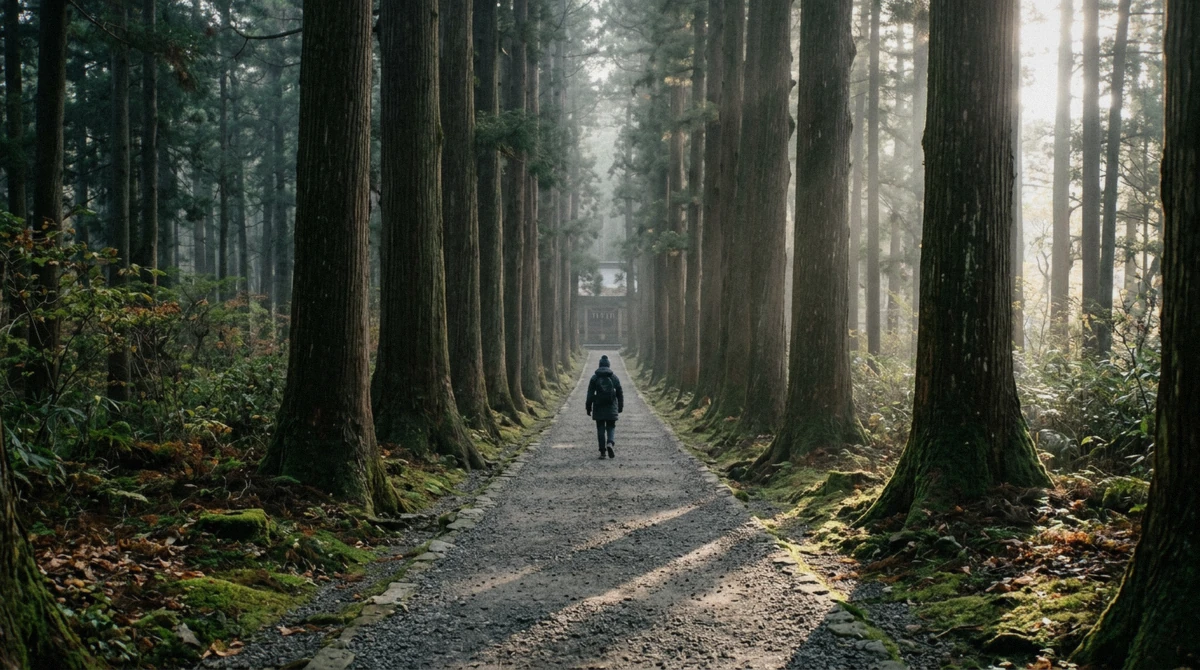
The cedar approach is the first part of a Zuiganji visit. Illustrative image.
Quick answer Fee, hours, last entry, what to see and how long to allow, in brief
Zuiganji is Matsushima's most important temple, a Zen temple of the Date family whose main hall is a National Treasure rebuilt in 1609. Entry costs 1,000 yen ($6.33) for adults and 500 yen ($3.16) for children, a fee raised on 1 April 2026. It opens at 8:30 and closes between 15:30 in December and January and 17:00 from April to September, with last entry 30 minutes before closing. Most visitors need 60 to 90 minutes. Godaido, the small hall beside the pier, is part of Zuiganji and free, and Entsuin next door plus Kanrantei along the shore make a compact circuit.
Key takeaways
- Entry is 1,000 yen ($6.33) for adults and 500 yen ($3.16) for children, raised on 1 April 2026, and last admission is 30 minutes before closing, so check the month you visit on the hours table below.
- The Matsushima Bay Day Tour from Sendai with a Scenic Boat Cruise includes the Zuiganji entry fee, the train fare, a matcha set and a 50-minute bay cruise for $167.
- Allow 60 to 90 minutes for the temple itself, then add Godaido (free), Entsuin and Kanrantei for a half-day temple circuit covered by the Matsushima Walking Tour: Zuiganji, Godaido and Fukuurajima.
- Zuihoden, the mausoleum of Date Masamune, is in Sendai, not in Matsushima, so do not confuse the two when planning.
- Carry cash in Matsushima, because the Fukuura bridge toll is cash only, a point the Matsushima Private Tour with an Oyster Lunch, Bay Cruise and Hotel Pickup also flags for its guests.
Should you book a tour or visit Zuiganji on your own?
If you want one day from Sendai with transport, entry fees and the bay cruise all paid up front
The Matsushima Bay Day Tour from Sendai with a Scenic Boat Cruise covers Zuiganji, Entsuin, Godaido, Kanrantei and a 50-minute cruise in about 8 hours for $167.
If you want a guide who can explain the Date family history inside the temple
A licensed guide on the Sendai and Matsushima Full-Day Private Tour with a Licensed Guide can build Zuiganji into a 6-hour private route, though entry fees are paid at the gate.
If you have only a few hours and want the temple plus the Fukuura island walk
The Matsushima Walking Tour: Zuiganji, Godaido and Fukuurajima gives Zuiganji 40 minutes with a guide and costs $78.
If you are arriving on a cruise ship at Sendai-Shiogama Port
The Matsushima Private Shore Excursion from Sendai-Shiogama Port gets your group of up to four to the temples and back on the ship's schedule for $428 per group, with entry fees on top.
If you are confident on trains and happy reading signs
Go independently. The temple is a flat 7-minute walk from Matsushima-Kaigan Station on the JR Senseki Line, and the fee and hours are simple to plan around.
What Zuiganji Is and Why It Matters
Zuiganji is a Zen temple of the Rinzai school and the family temple of the Date clan, the lords who ruled the Sendai domain from this coast. Date Masamune, the first lord, rebuilt the temple in 1609, five years after he rebuilt Godaido down by the water. The main hall and its associated buildings are designated a National Treasure, which puts Zuiganji among the most important temple complexes in the Tohoku region.
The setting explains a lot of its power. Matsushima Bay holds about 260 pine-topped islands and counts as one of the Three Views of Japan. In the 2011 earthquake and tsunami the islands are widely reported to have broken the force of the waves before they reached the town, and people sheltered on the higher temple grounds of Zuiganji.
The poet Matsuo Basho came here in 1689 and famously struggled to find words adequate for the bay.
Entrance Fees
Zuiganji raised its admission on 1 April 2026, so older guidebooks and blog posts quote a lower figure. The current gate price is 1,000 yen ($6.33) for adults and 500 yen ($3.16) for children. The Seiryuden treasure hall on the grounds is covered by the same admission.
The nearby temples charge separately, which matters if you do the full circuit.
The table compares admission at Zuiganji and the sights around it, using the fees each site publishes. Note the cash rule for the Fukuura bridge.
| Site | Adults | Children |
|---|---|---|
| Zuiganji Temple | 1,000 yen ($6.33) | 500 yen ($3.16) |
| Entsuin Temple | 500 yen ($3.16) | 300 yen ($1.90) |
| Entsuin night light-up (late October to mid November) | 1,300 yen ($8.23) | not stated |
| Godaido Hall | Free | Free |
| Kanrantei teahouse | 200 yen ($1.27) | not stated |
| Fukuura bridge to Fukuurajima | 200 yen ($1.27), cash only | not stated |
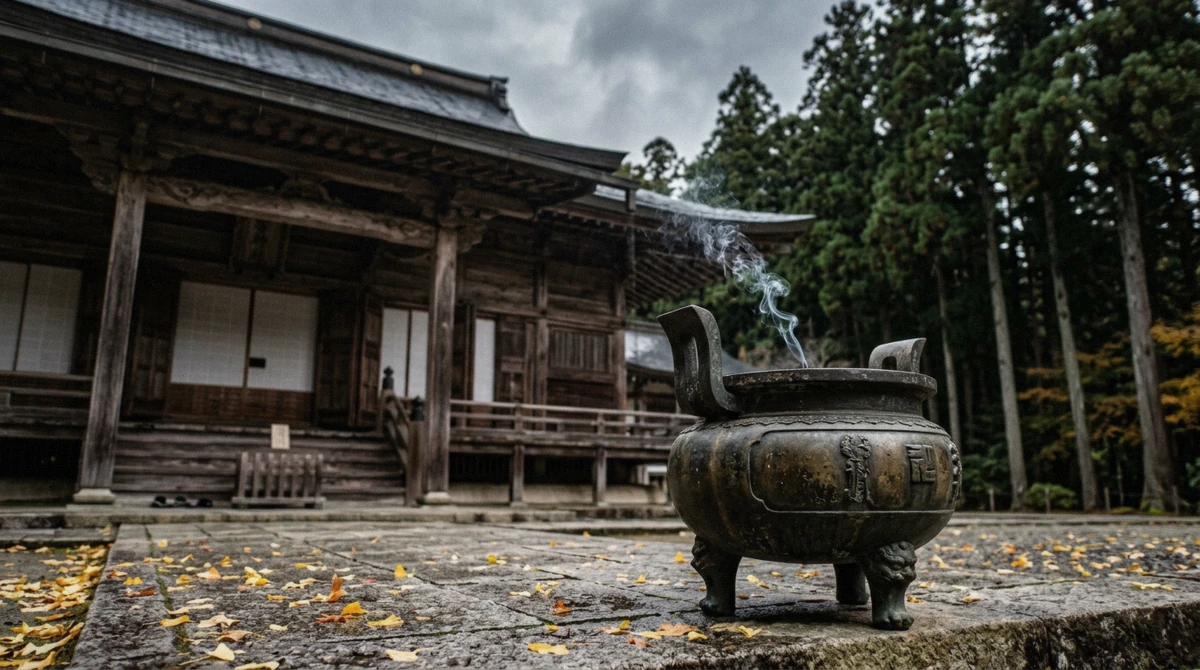
Incense before a temple hall. Illustrative image.
Opening Hours by Month and Last Entry
Zuiganji opens at 8:30 every day of the year. Closing time moves with the seasons, and the rule to remember is that last entry is 30 minutes before closing. In winter that gives you a much shorter window, and it is the single most common way first-time visitors get turned away.
The closing times below come from the temple's own published schedule.
| Months | Open | Closes | Last entry |
|---|---|---|---|
| December and January | 8:30 | 15:30 | 15:00 |
| February and November | 8:30 | 16:00 | 15:30 |
| March and October | 8:30 | 16:30 | 16:00 |
| April to September | 8:30 | 17:00 | 16:30 |
What You See Inside: the Approach, the Caves and the Main Hall
The cedar approach and the rock caves
You enter through a long avenue of tall cedars that shades the whole path and slows you down before you reach the buildings. Alongside the approach, caves have been cut into the rock face, and these were used over the centuries for meditation and burial. They are one of the most photographed parts of the grounds and cost nothing extra to see.
The National Treasure main hall
The main hall is the building Date Masamune completed in 1609, and it is the National Treasure. Inside you move along a corridor with painted screens and gilded fittings that show the wealth of the Date clan at its height. Photography rules inside are posted at the entrance, so check them before raising a camera.
The Seiryuden treasure hall
The Seiryuden, the treasure hall on the grounds, displays Date family artifacts and is included in your admission. It is the one part of the complex that is wheelchair accessible, which matters because the main hall has traditional thresholds and stepping stones that are not.
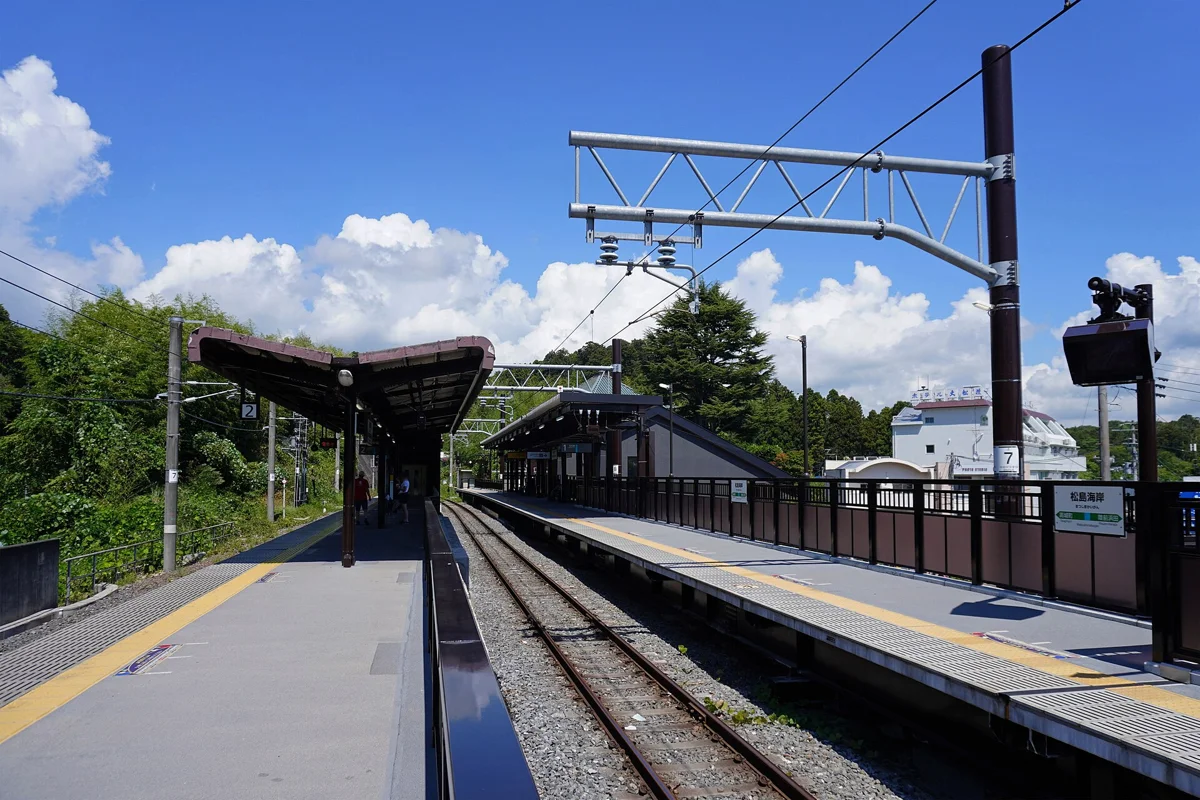
Matsushima-Kaigan Station is 7 minutes from the Zuiganji gate. Photo: Mister0124, CC BY-SA 4.0, via Wikimedia Commons.
How Long to Allow
Plan 60 to 90 minutes for Zuiganji itself if you want the approach, the caves, the main hall and the Seiryuden without rushing. The guided visits in the listings here budget 40 minutes inside the temple, which is enough for the hall and a brisk walk up the approach, but tight if you like to linger.
Add the neighbours and the day grows: Godaido takes about 15 minutes, Kanrantei about 30 if you take the matcha set, and Entsuin about 40. That is a comfortable half day for the whole circuit before you even reach the bay cruise. The Matsushima Bay Day Tour from Sendai with a Scenic Boat Cruise strings exactly these stops together across an 8-hour day.
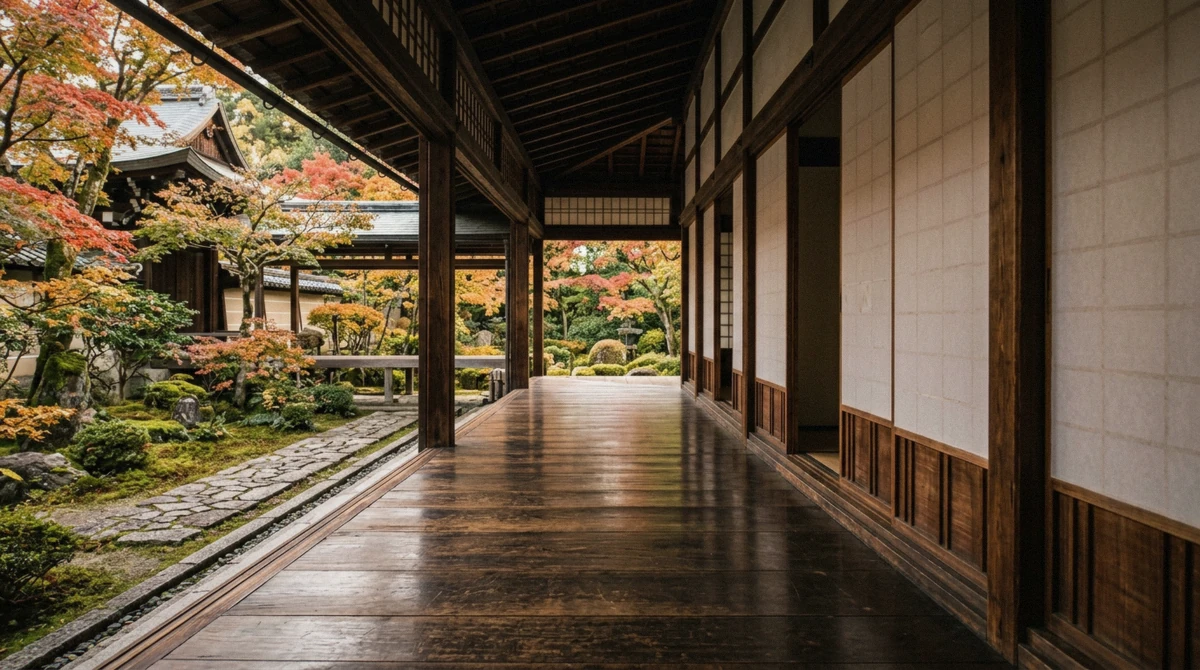
Wooden corridors run round the halls. Illustrative image.
Getting to Zuiganji
Take the JR Senseki Line from Sendai to Matsushima-Kaigan, 25 to 40 minutes depending on the train, 410 yen ($2.59) one way. The temple is a flat 7-minute walk from the station. Do not get off at JR Matsushima Station on the Tohoku Main Line, which is a different station further from the bay, a mistake the signs at Sendai Station do little to prevent.
From Tokyo, the Tohoku Shinkansen reaches Sendai in about 90 to 100 minutes, about 11,410 yen ($72.22) one way with a reserved seat, then the Senseki Line down. A day trip from Tokyo is possible but long. If you would rather not handle the connections, Matsushima Private Tour with an Oyster Lunch, Bay Cruise and Hotel Pickup collects you by car and includes Zuiganji in its stops.
The Temple Circuit Around Zuiganji
Zuiganji anchors the densest cluster of sights on the shore, and all of them sit within a short walk of each other. Done in order from the station, the circuit runs comfortably in half a day.
- Godaido Hall, 7 to 8 minutes from the station on foot. A small hall on its own islet beside the pier, rebuilt by Date Masamune in 1604. It belongs to Zuiganji and entry is free. The short bridges to it have planks with open gaps, so you see the water through them as you cross and watch your step.
- Entsuin Temple, next door to Zuiganji. Founded in 1647 as the memorial temple of Date Mitsumune, Masamune's grandson, and called the rose temple for its rose garden, with moss and rock gardens. Entry 500 yen ($3.16) for adults. From late October to mid November it holds a night light-up from 17:30 to 21:00 at 1,300 yen ($8.23) for adults.
- Kanrantei, a teahouse on the shore that began at Toyotomi Hideyoshi's Fushimi Castle, was given to Date Masamune and later moved here. Entry is 200 yen ($1.27) and you can order a matcha and sweet set inside.
- Fukuurajima, if you have energy left. A wooded island with paths and a lookout, over a 252-metre red bridge, 200 yen ($1.27) cash only, open about 8:00 to 17:00, to about 16:30 in winter.
If you want the bay as well as the temples, the sightseeing boats leave from the pier next to Godaido. The loop cruise runs about 50 minutes at 1,500 yen ($9.49) for adults, and the pier is a 6 to 7 minute walk from the station. Our Matsushima Bay cruise guide compares the two boat companies in detail.
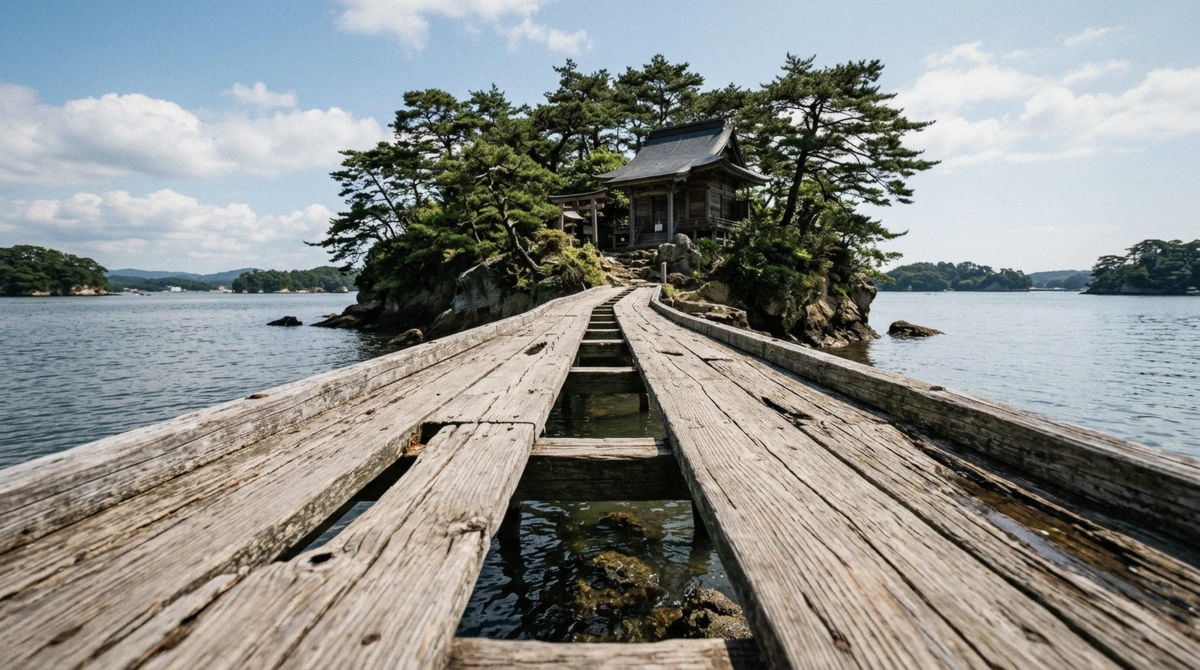
The bridges to Godaido have gaps between the planks. Illustrative image.
Mistakes First-Time Visitors Make at Zuiganji
- Arriving after last entry in winter. The temple closes at 15:30 in December and January and admits the last visitors at 15:00, so an afternoon train from Sendai can leave you standing at a shut gate. Go in the morning in the cold months.
- Confusing Zuiganji with Zuihoden. Zuihoden is the mausoleum of Date Masamune, and it is in Sendai, not in Matsushima. Some visitors plan a Matsushima day around a building that is 25 to 40 minutes away in the other direction.
- Getting off at the wrong station. Matsushima-Kaigan on the Senseki Line is the stop for the temple. JR Matsushima on the Tohoku Main Line is further out.
- Arriving cashless for the Fukuura bridge. The 200 yen ($1.27) bridge toll is cash only, and small shops around the town can be the same.
- Underestimating the circuit. Four temple stops plus a cruise add up to more hours than many day-trippers budget, which is why the guided full-day itineraries exist.
- Skipping the Seiryuden because it looks like an extra. It is included in the admission and it is the wheelchair-accessible part of the grounds.
A Two-Hour Zuiganji Circuit on Foot
Most visitors pair Zuiganji with the temples around it, and everything sits within a few minutes on foot of Matsushima-Kaigan Station. A sensible order starts at the station and ends at the pier, so the bay cruise can close the visit. Allow about an hour inside Zuiganji itself, longer if you want the Seiryuden treasure hall, and add the other stops to taste.
- Matsushima-Kaigan Station to the Zuiganji gate: about 7 minutes on foot.
- Zuiganji: the cedar approach, the caves cut into the rock, the main hall and the Seiryuden treasure hall. Entry 1,000 yen ($6.33).
- Entsuin next door: the rose garden and the moss and rock gardens. Entry 500 yen ($3.16).
- Godaido by the water: free, over the gap-plank bridges.
- Kanrantei on the shore: 200 yen ($1.27), with a matcha set served inside.
- The pier beside Godaido for the 50-minute loop cruise, 1,500 yen ($9.49).
Check the closing time before you set out. In December and January Zuiganji closes at 15:30 and the last entry is 30 minutes earlier, so a winter afternoon arrival leaves little time. From April to September it stays open until 17:00, which is the easiest season to fit the temple, the gardens and the boat into one unhurried day.
If you would rather have the order and the stories handled for you, the day tour from Sendai with a scenic boat cruise includes every entry fee on this list.
Which Tours Include Zuiganji and Its Entry Fee
Not every listing in the catalog pays your way into the temple, and the difference changes what a day actually costs. The comparison below pulls the Zuiganji arrangements from each listing.
| Tour | Zuiganji on the itinerary | Entry fee included |
|---|---|---|
| Matsushima Bay Day Tour from Sendai with a Scenic Boat Cruise | Yes, 40-minute stop | Yes, all entry fees in the $167 price |
| Matsushima Walking Tour: Zuiganji, Godaido and Fukuurajima | Yes, 40 minutes with a guide | No, paid at the gate |
| Matsushima Private Guided Tour with a Local Licensed Guide | Yes | No, paid at the gate |
| Matsushima Private Tour with an Oyster Lunch, Bay Cruise and Hotel Pickup | Yes, 40 minutes | No, paid at the gate |
| Sendai and Matsushima Half-Day Private Tour with a Licensed Guide | Optional, if you choose it | No, paid at the gate |
| Matsushima Private Shore Excursion from Sendai-Shiogama Port | Free time in town, your choice | No, entry fees not included |
| Matsushima and Sendai Two-Day Private Tour from Tokyo | Yes, day 1 | Yes, entry included in the group price |
Only the day tour from Sendai and the two-day trip from Tokyo bundle the temple admission into the ticket price. On the others you pay the 1,000 yen ($6.33) at the gate, which is simple enough, but budget it. If your priority is the cruise rather than the temples, our things to do in Matsushima guide covers the wider choice.
Best Time of Day and Year to Visit Zuiganji
Go early. The temple opens at 8:30 and the tour groups from Sendai build through the late morning, so the cedar approach is quietest in the first hour. In winter the early start is not optional, given the 15:00 last entry in December and January.
Autumn is the peak for beauty, with leaves at Zuiganji and Entsuin from late October to mid November and the Entsuin light-up in the evenings. Cherry blossom at the hilltop Saigyo Modoshi no Matsu park peaks in mid to late April. Winter is cold, with Sendai highs of 5.6°C (42°F) in January, but it is oyster season on the shore, which is its own argument.
Seasonal food and timing are covered in our Matsushima oysters guide.
Questions and Answers
How much is the entrance fee for Zuiganji Temple?
Adults pay 1,000 yen ($6.33) and children 500 yen ($3.16), a fee that was raised on 1 April 2026. The Seiryuden treasure hall is included. The Matsushima Bay Day Tour from Sendai with a Scenic Boat Cruise bundles this fee into its price.
What are the opening hours of Zuiganji?
The temple opens at 8:30 daily. It closes at 15:30 in December and January, 16:00 in February and November, 16:30 in March and October and 17:00 from April to September. Last entry is 30 minutes before closing.
Who built Zuiganji Temple?
Date Masamune, the first lord of the Sendai domain, rebuilt Zuiganji in 1609. The main hall is a designated National Treasure. He also rebuilt Godaido on the shore in 1604.
How long do you need at Zuiganji?
Allow 60 to 90 minutes for the approach, the caves, the main hall and the Seiryuden. Guided itineraries in this catalog budget about 40 minutes inside, which covers the highlights at a quicker pace.
Is Godaido part of Zuiganji?
Yes, Godaido belongs to Zuiganji and entry is free. It stands on its own islet next to the sightseeing pier, reached over short bridges with open gaps between the planks.
Is Zuihoden in Matsushima?
No. Zuihoden, the mausoleum of Date Masamune, is in Sendai. Zuiganji is the Date family temple in Matsushima, and the two are often confused because both are tied to Masamune.